When warehouse storage systems are being evaluated, two of the most common options considered are rivet shelving and steel shelving. While both systems are designed to improve organization and maximize available space, important differences exist in assembly, load capacity, adjustability, and overall application. As a result, the right choice often depends on the products being stored and the operational requirements of the facility. The following guide compares both systems to help determine which solution may be best suited for long-term storage needs.
What Does Buying Direct Mean?
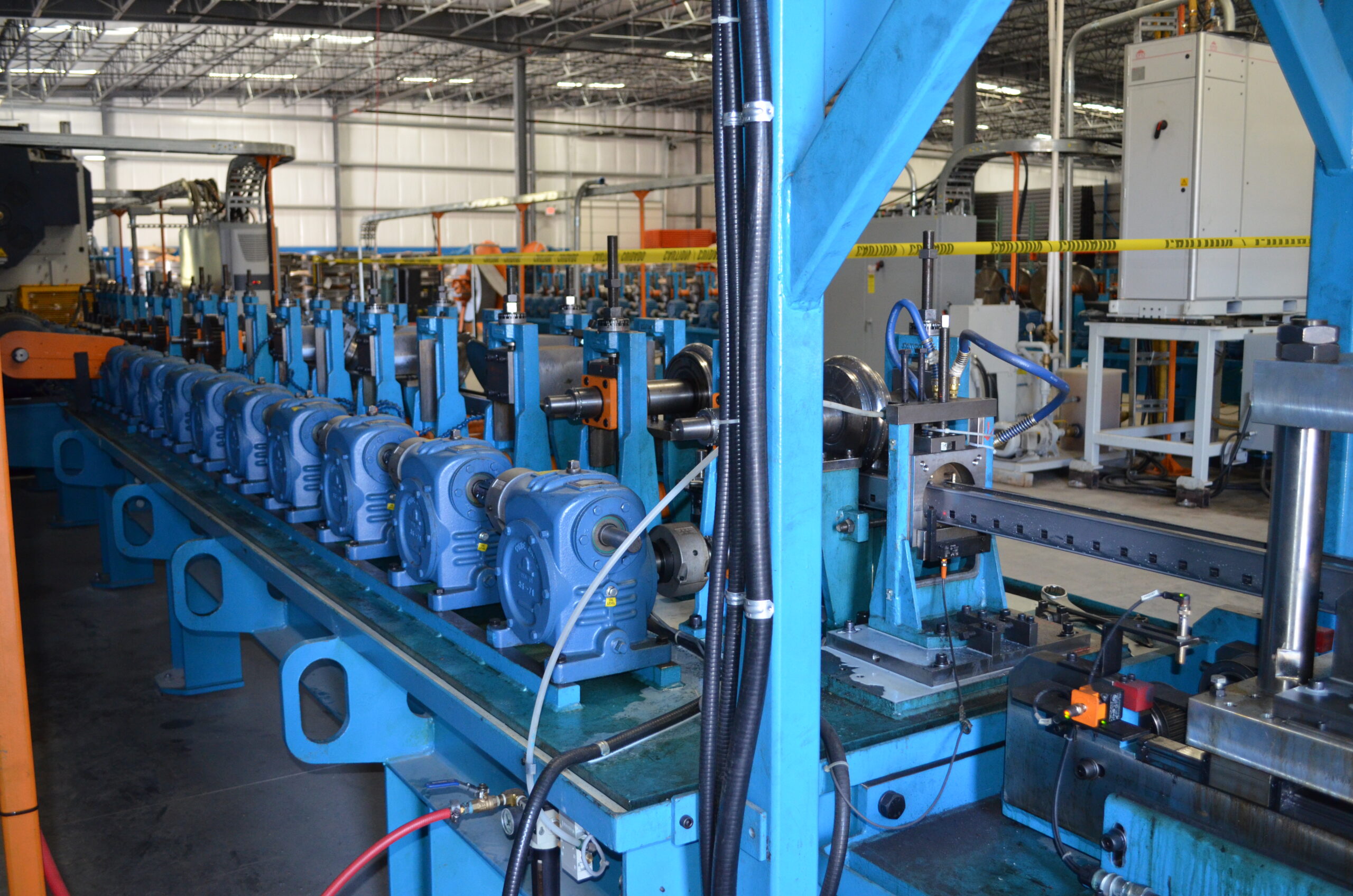
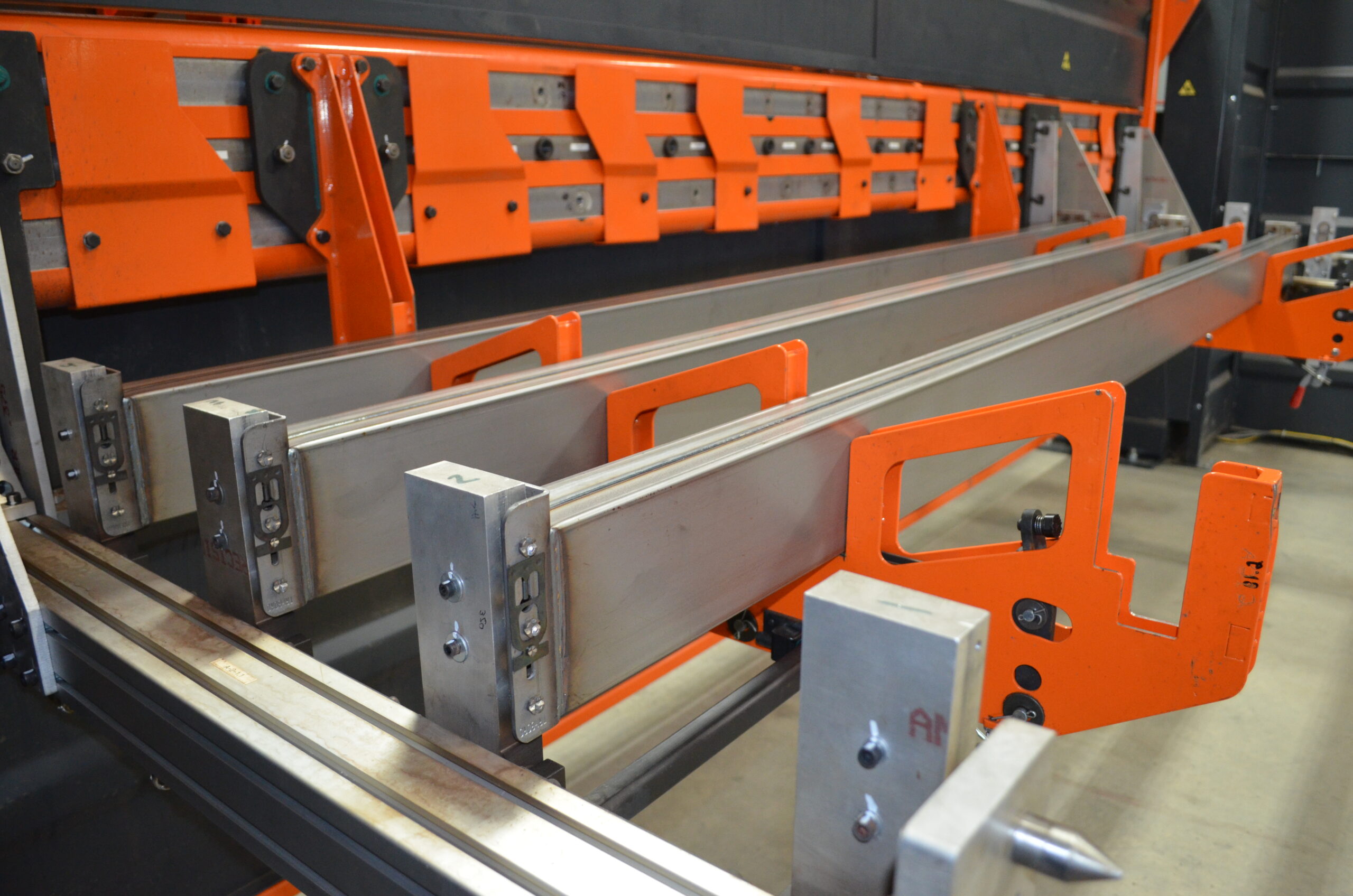
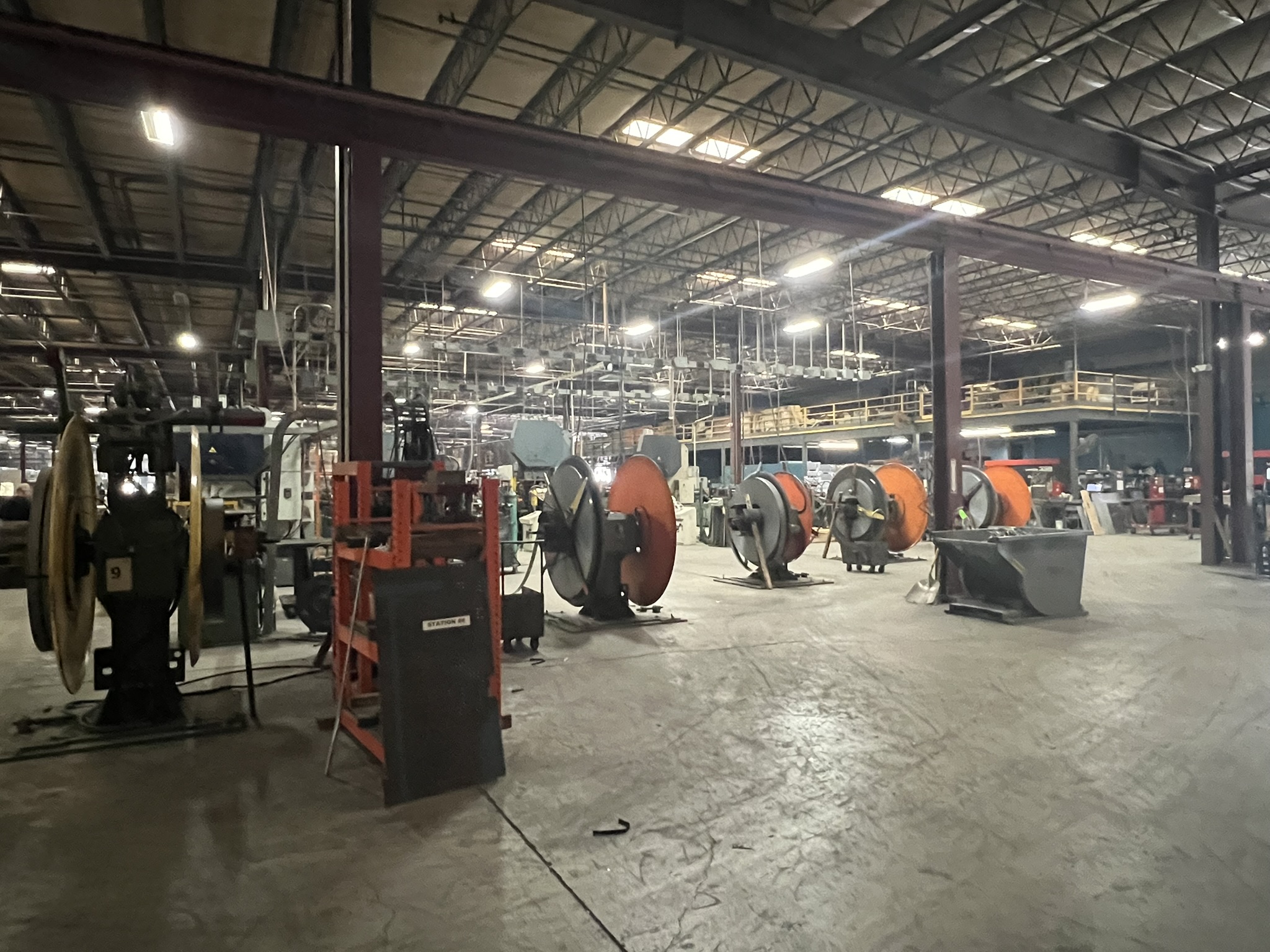
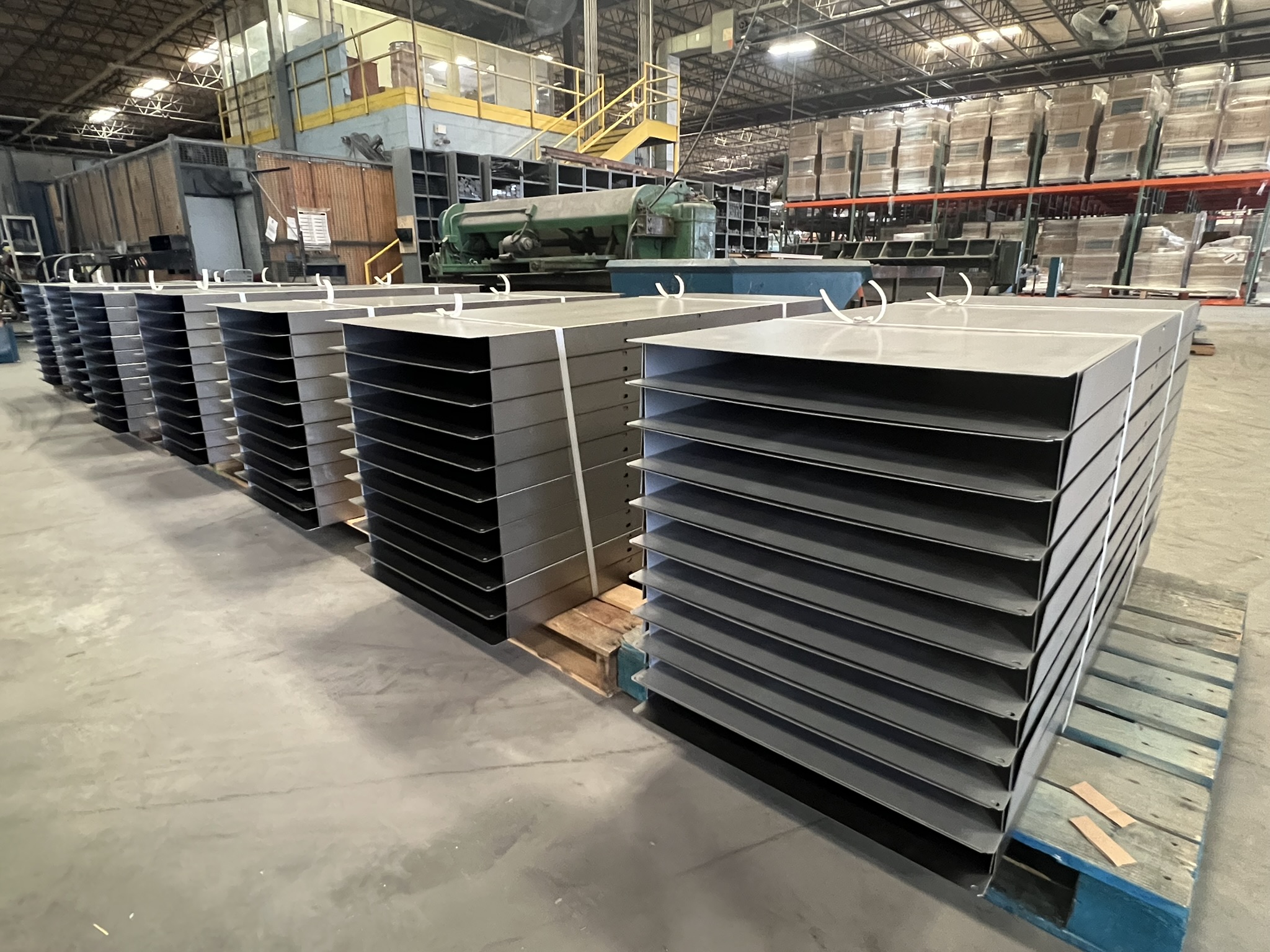
When products are purchased directly from a manufacturer, customers work with the company responsible for designing and producing the shelving system.
Rather than passing through multiple distributors or suppliers, project requirements can be discussed directly with the source. As a result, questions can be answered faster, recommendations can be provided more accurately, and project timelines can often be streamlined.
What Is Rivet Shelving?
Rivet shelving is a boltless storage system that utilizes interlocking beams and uprights for quick assembly. Because no nuts or bolts are required, installation can be completed rapidly while still providing substantial load capacity.
Rivet shelving is commonly selected for:
What Is Steel Shelving?
Steel shelving utilizes shelf clips and adjustable shelves supported by steel posts. This design provides greater flexibility for storing smaller items and inventory that may require frequent shelf adjustments.
Steel shelving is commonly used for:
When Rivet Shelving Is the Better Choice
Rivet shelving is often preferred when larger products, cartons, or bulk inventory must be stored efficiently.
Benefits include:
For facilities handling larger inventory volumes, rivet shelving frequently provides the most practical solution.
When Steel Shelving Is the Better Choice
Steel shelving is often selected when organization and accessibility are top priorities.
Advantages include:
Many parts departments and maintenance facilities rely on steel shelving for day-to-day operations.
Rivet Shelving vs Steel Shelving: Key Differences
| Feature | Rivet Shelving | Steel Shelving |
|---|---|---|
| Assembly | Boltless design | Clip-style assembly |
| Best For | Bulk storage | Small parts storage |
| Shelf Adjustability | Moderate | High |
| Load Capacity | High | Moderate to High |
| Installation Time | Fast | Moderate |
| Common Applications | Warehouses | Stockrooms & Parts Rooms |
Can Rivet Shelving and Steel Shelving Be Used Together?
In many facilities, both systems are utilized to create a more efficient storage environment.
For example:
This combination often provides the greatest flexibility while maximizing available storage space.
Choosing the Right Shelving System
Selecting the proper storage solution requires consideration of:
By evaluating these factors, a shelving system can be selected that supports both current operations and future expansion.

For decades, storage solutions have been manufactured by Tri-Boro Storage Systems in the USA. Both rivet shelving and steel shelving systems are available in a wide variety of sizes and configurations to support warehouses, distributors, manufacturers, and commercial facilities.
Benefits of working with Tri-Boro include:.
USA-made products •
Extensive product selection •
Custom storage solutions •
Experienced design assistance •
Direct manufacturer support •
Fast, dependable lead times
Whether a facility requires heavy-duty rivet shelving, traditional steel shelving, or a combination of both, solutions can be provided that are designed for long-term performance and reliability.

All shelving and storage systemsare produced in the USA, supporting both quality control and long-term durability. This approach allows: Higher manufacturing standards Consistent product availability Reduced risk of supply chain disruptions With decades of experience, Tri-Boro has established a reputation for dependable systems that meet the demands of modern warehouses and distribution centers.
Frequently Asked Questions
Rivet shelving uses a boltless assembly design and is typically preferred for bulk storage, while steel shelving offers greater shelf adjustability and is commonly used for smaller inventory items.
Rivet shelving generally provides higher load capacities for bulk storage applications, although steel shelving can also support substantial loads depending on configuration.
Yes. Rivet shelving is designed for quick boltless assembly, reducing installation time compared to many traditional shelving systems.
Yes. Steel shelving shelves can typically be repositioned to accommodate changing inventory requirements.
Yes. Tri-Boro manufactures both rivet shelving and steel shelving systems in the USA for commercial and industrial storage applications.
Tri-Boro Storage Systems works directly with customers to provide custom storage solutions manufactured in the USA. Contact our team to discuss your project requirements and discover how direct manufacturer support can benefit your facility.